



Cockroach pest control
Acorn Environment Services clears cockroach infestations in homes and businesses across the North West and Yorkshire.
We track cockroaches back to where they’re breeding and treat the source, with follow-up visits until they’re gone.
Rated 4.8 ⭐ on Google | 200+ active clients across North West & Yorkshire.
Commercial cockroach control
Commercial cockroach control from Acorn protects your hygiene rating and keeps your business ready for inspection.
A cockroach infestation can result in action from Environmental Health and a lower hygiene rating. In serious cases, it can close your premises.
Cockroaches usually get in through deliveries, packaging, waste areas and shared building services, so we check these entry routes as well as the areas where you’ve seen activity.
We treat cockroaches for commercial clients across Manchester, Leeds, Liverpool and Sheffield, including
- Restaurants, cafés, pubs and commercial kitchens
- Hotels and serviced accommodation
- Food production, processing and storage sites
- Healthcare, care and education settings
- Blocks of flats, HMOs and social housing
- Warehouses and industrial units
For ongoing cover, our pest control contracts add scheduled inspections across one site or many.
We use the digital client portal, ServiceTracker, to record every visit, treatment and recommendation, so you always have evidence ready for an EHO, auditor or CQC inspector.
Domestic cockroach control
Domestic cockroach control from Acorn clears cockroaches from your home and helps keep them out for good.
Act as soon as you spot one – a single sighting usually means more are hiding behind appliances, kitchen units or pipework, and cockroaches can spread bacteria onto food and worktops.
Our pest control technicians treat the hidden spots shop-bought sprays can’t reach, then give you advice to stop cockroaches returning.
In flats and terraced houses, we’ll also tell you whether neighbouring homes need treatment. For landlords, we provide treatment records you can share with tenants.
What are the signs of a cockroach infestation?
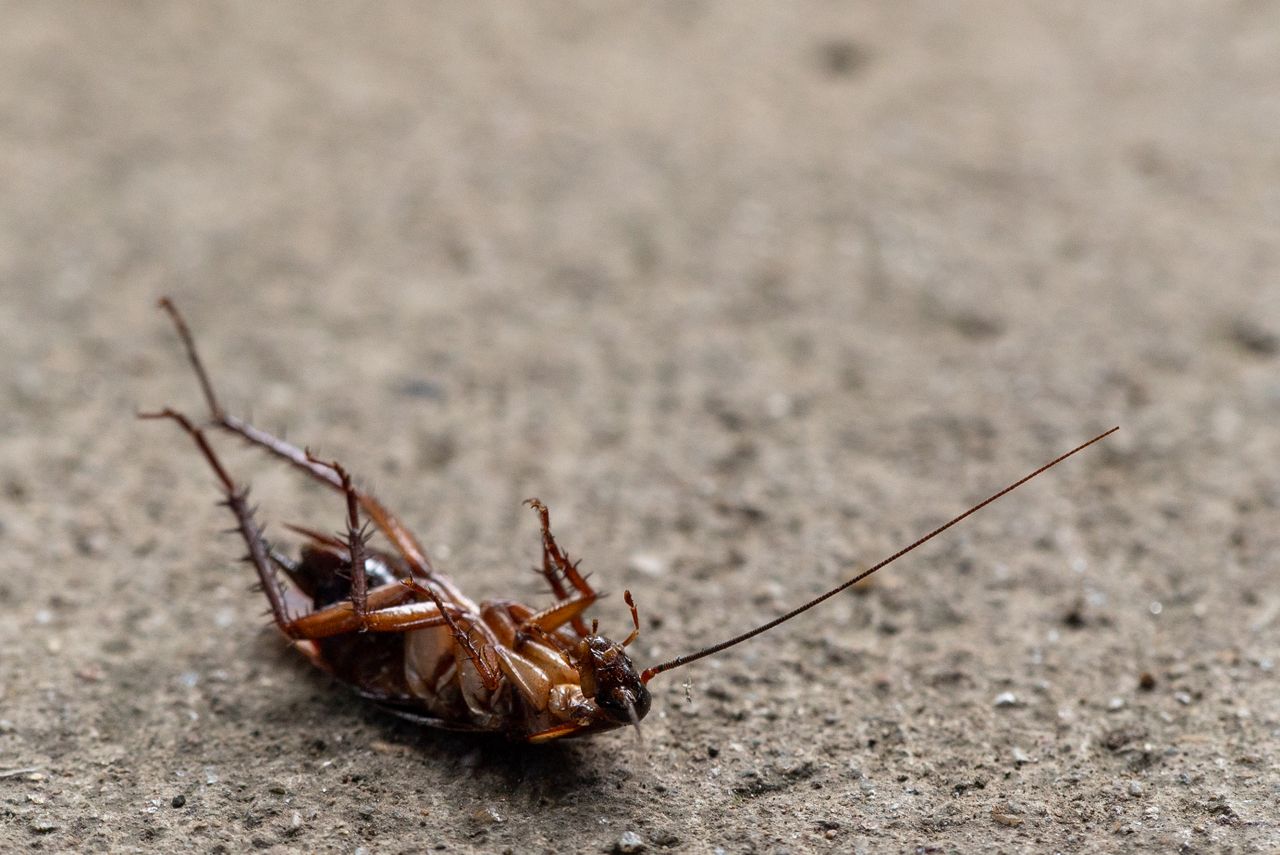
The most common sign of a cockroach infestation is live cockroaches at night, especially in kitchens, bathrooms and boiler cupboards.
Cockroaches are nocturnal, so seeing them during the day usually means the infestation is already well established. You may need professional treatment if you notice:
- Live or dead cockroaches near sinks, cookers, fridges or drains
- Small dark droppings that look like ground black pepper, or dark smear marks
- Brown, capsule-shaped egg cases behind appliances or in cupboards
- Shed skins in corners, cupboards or under units
- A persistent musty, oily smell in enclosed spaces
- Repeat sightings after DIY treatment
- Sightings reported by staff, tenants, residents or customers
Which cockroaches are most common in the UK?
The German cockroach and the Oriental cockroach are the two species most often found in UK properties, and each needs a different treatment approach.
American and brown-banded cockroaches also appear occasionally, usually in heated commercial buildings.
German cockroach
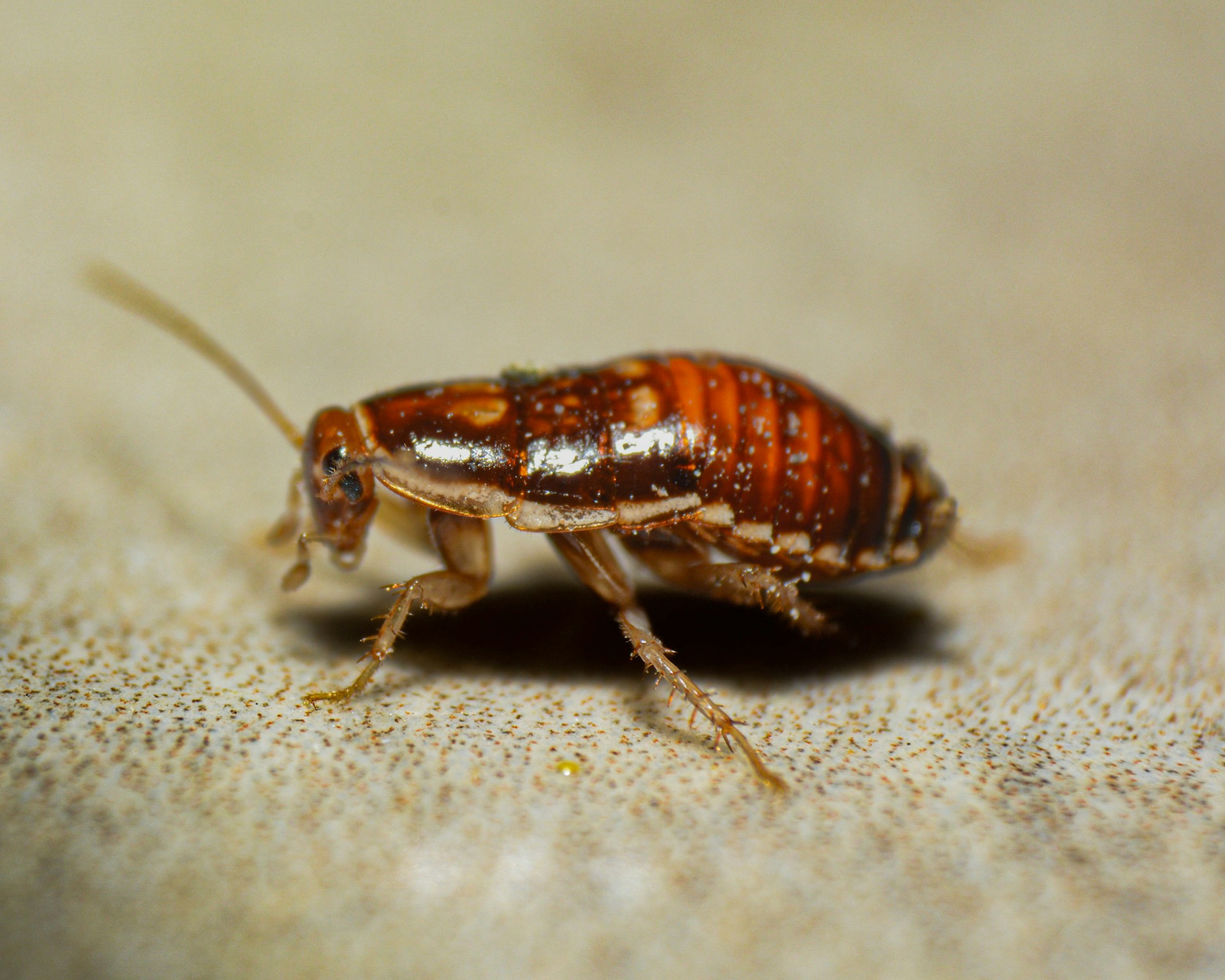
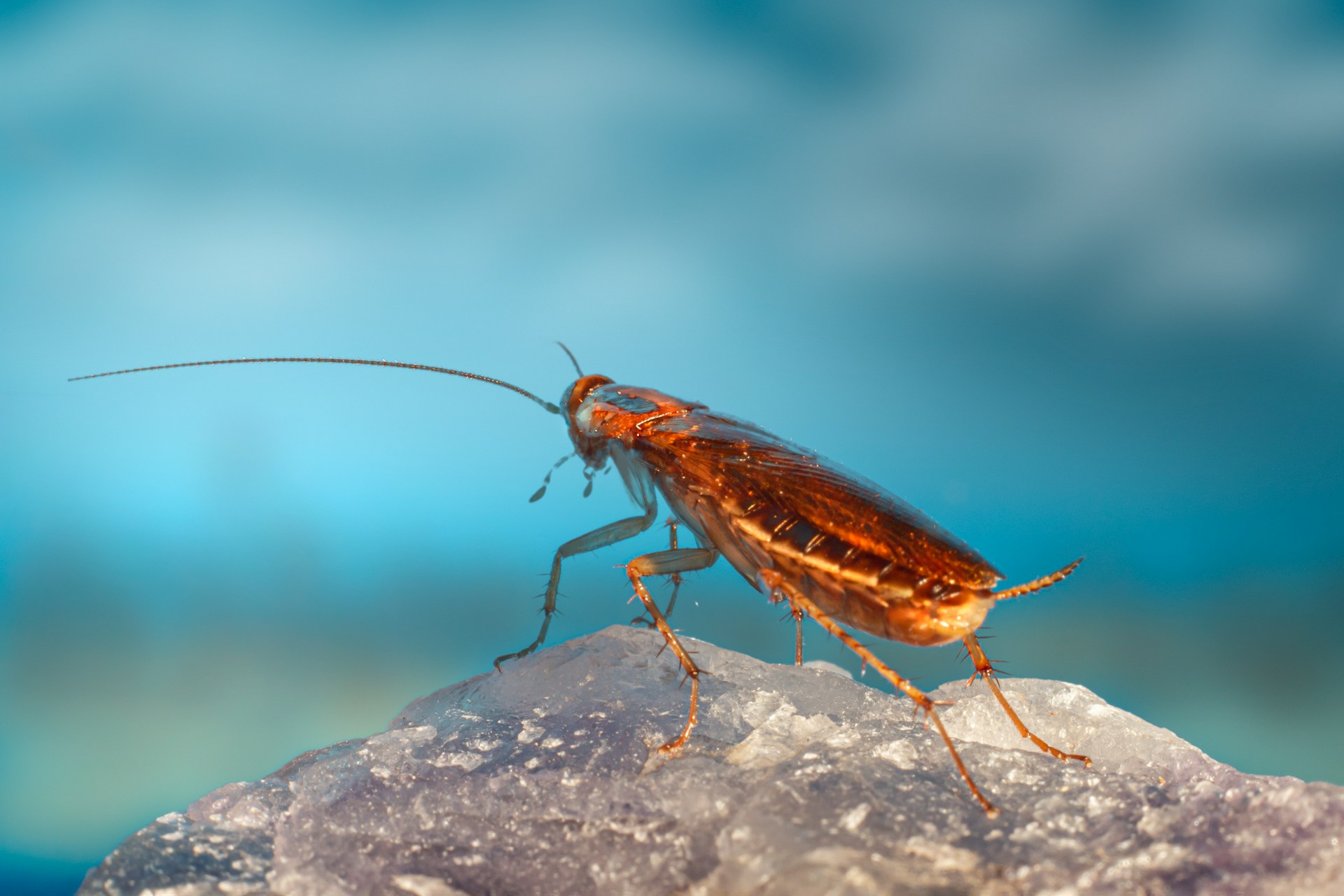
German cockroaches are light brown, around 10–15mm long, with two dark stripes behind the head. They thrive in warm, humid spaces such as commercial kitchens, ducting and the areas behind cookers and fridges. They breed quickly, spread easily through equipment, packaging and adjoining units, and are the species we most often treat in food businesses.
Oriental cockroach
Oriental cockroaches are dark brown to black and around 20–25mm long. They prefer cooler, damp areas such as drains, cellars, ground floors and under-floor voids, and often enter buildings from drains and outside areas. They move more slowly than German cockroaches and can’t climb smooth surfaces, so they usually stay at floor level.
View our pest control accreditations.
Our accreditations show we meet recognised standards for safety, training and quality of work.
How does our cockroach control service work?
Our cockroach control service follows a clear, three-step process, so you always know what to expect.
Step 1: Inspection & assessment
We inspect your property, confirm the species and map where cockroaches are hiding, including voids, ducting, drains and the spaces behind appliances. This means treatment targets the whole colony from the first visit.
Step 2: On-site treatment
We treat the hiding areas with the method best suited to the species and your setting, and place monitors to track activity. We’ll also explain how to prepare, so your kitchen, home or workplace stays safe to use.
Step 3: Follow-up and digital reporting
Cockroach egg cases can survive the first treatment, so we come back to check monitors and re-treat where needed until activity stops.
Book your cockroach control visit now
If you think you have cockroaches on your property, our team is ready to respond, 24/7.
Call now and get a clear plan of action in place.

How can you prevent cockroaches coming back?
You prevent cockroaches coming back by removing the food, water, shelter and access routes they need to survive. Treatment clears an active infestation, and these habits keep it clear:
- Store food in sealed containers
- Clean under and behind appliances regularly
- Manage food waste and empty bins frequently
- Repair leaks and reduce moisture
- Seal cracks and gaps around pipework
- Report repeat sightings straight away
For commercial sites, staff awareness and routine monitoring help you catch problems early. A pest control maintenance contract adds scheduled inspections and reporting.
Why choose Acorn for cockroach control?
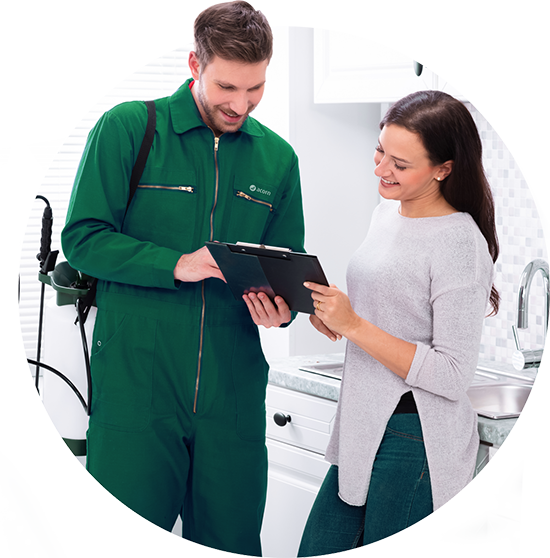
Acorn gives you more than 35 years of pest control experience and audit-ready reporting, so you get your infestation cleared properly and the paperwork to prove it.

Accredited, insured and NPTA-registered
Acorn is a member of the National Pest Technicians Association (NPTA), and every technician is fully trained and insured. We also hold SafeContractor and CHAS accreditation (both SSIP-recognised), plus Constructionline.

Over 35 years of pest control experience
We’ve provided professional pest control since 1990, treating infestations across homes, rental properties, care settings and commercial premises throughout the North West and Yorkshire.

Fast response times
Early treatment means a smaller infestation to clear. We can arrange a site visit within 24 hours and prioritise urgent cases in food businesses and healthcare settings.

One-off treatments and ongoing cover
Whether you need a single treatment or regular visits, we support homeowners, landlords, letting agents, care homes and facilities managers. Commercial clients also get digital reports for their compliance records.
Clear pest control reporting through ServiceTracker
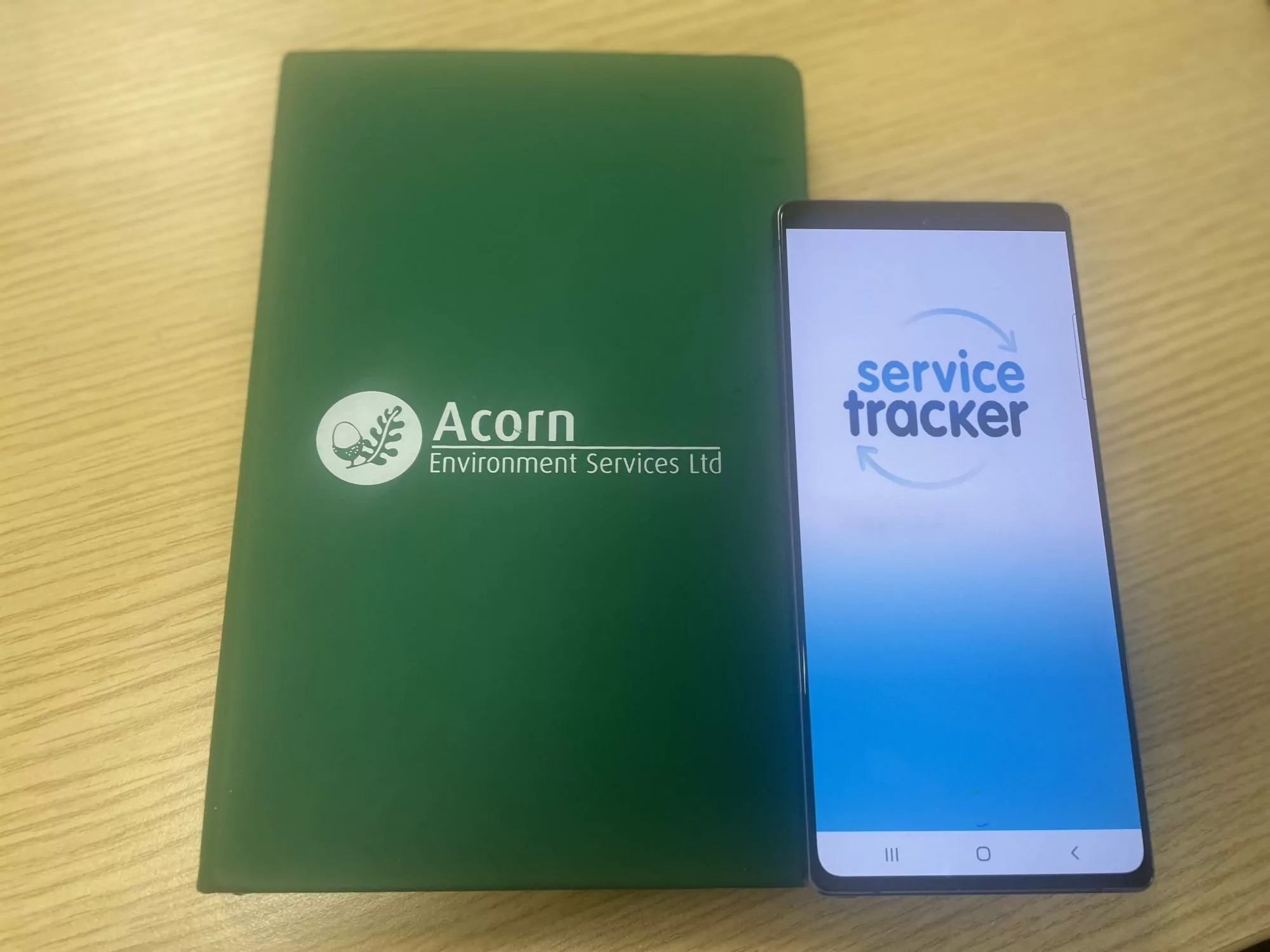
After every visit, ServiceTracker gives you a digital record of what we found, what we did and what we recommend next. For businesses, landlords and facilities managers, it keeps your pest control evidence in one place.
Once the work is done, we send the job sheet straight to you and upload it to your client portal.
ServiceTracker can support:
- Digital job sheets: Sent to you as soon as the visit is complete.
- Visit history: Every visit logged and easy to find.
- Treatment notes: A record of what was used and where.
- Technician recommendations: Clear next steps to prevent a repeat problem.
- Client portal access: View your reports whenever you need them.
- Custom reporting: Reports set up around your site’s needs.
Book your cockroach treatment today
You can book cockroach treatment by calling 0161 483 7112 or booking a visit online.
Whether you’ve spotted cockroaches in your kitchen, premises, or rental property, our technicians will find where they’re breeding and clear the infestation with minimal disruption to your home or business.
"*" indicates required fields